VerbWheel Spin verbs into fluency, one wheel at a time.

VerbWheel

Spin verbs into fluency, one wheel at a time.

Latest Articles

One Verb Dresses, the Other Doesn't: The Two-Ring Modal Wheel That Stops Double Conjugation
Grammar Traps

One Verb Dresses, the Other Doesn't: The Two-Ring Modal Wheel That Stops Double Conjugation

“Je peux vais” and “puedo voy” are not random slips — they happen because learners dress both verbs in the same conjugated uniform. This two-ring modal wheel makes the split visible: one verb does the paperwork, the other stays as an infinitive.

Spin It Wrong, Learn It Right: A Repair-First Verb Wheel for UK Language Learners
Grammar Traps

Spin It Wrong, Learn It Right: A Repair-First Verb Wheel for UK Language Learners

Most UK learners can spot the right conjugation in a table but still produce the same slip under pressure. This repair-first wheel puts common errors on the outer spokes and makes correction an active retrieval task, not another passive glance at the answers.

The Little Words That Jump the Queue: A Three-Bay Wheel for French Object Pronouns
Grammar Traps

The Little Words That Jump the Queue: A Three-Bay Wheel for French Object Pronouns

French object pronouns do not trail behind the verb like their English cousins — they queue up in front of it, in a fixed order that UK learners often scramble. This three-bay wheel gives me/te/nous/vous, le/la/les and lui/leur a visible parking space, with quick GCSE-style drills and a speak-aloud routine for classroom or kitchen-table practice.

The ‘There’ and ‘Some’ Tangle: A Two-Ring Wheel for French Y and En
Grammar Traps

The ‘There’ and ‘Some’ Tangle: A Two-Ring Wheel for French Y and En

Plenty of UK learners can rattle off aller in six tenses and still freeze when someone asks if they're going to the pool and the answer needs a tiny y. This is a look at the two pronouns that cause the pile-up, and a two-ring wheel that shows exactly where each one attaches — including the awkward moment an imperative turns up.

The Adjective That Changes Sides: A Twin-Ring Ser/Estar Wheel for Spanish Descriptions
Grammar Traps

The Adjective That Changes Sides: A Twin-Ring Ser/Estar Wheel for Spanish Descriptions

The permanent-versus-temporary shortcut gets UK learners through the first week of Spanish and then quietly lets them down. This twin-ring wheel separates identity from passing states, with a trap segment for adjectives that flip meaning when you switch verb.

The Polite Verb Switch: A Three-Spoke Café Wheel for Orders That Don't Sound Like Demands
Grammar Traps

The Polite Verb Switch: A Three-Spoke Café Wheel for Orders That Don't Sound Like Demands

Most UK learners can order a coffee in French, Spanish or German — until the moment arrives and they default to 'I want'. This guide turns politeness into a verb pattern with a three-spoke café wheel, so 'I'd like' and 'Could I have?' become the reflex before you reach the counter.

German Clause Order Is a Queue — Meet the Two-Ring Wheel That Stops Your Verb Jumping It
Grammar Traps

German Clause Order Is a Queue — Meet the Two-Ring Wheel That Stops Your Verb Jumping It

After weil, dass or obwohl, UK learners often keep English word order and leave the German verb stranded. This two-ring wheel makes the verb-final track visible, with a quick classroom drill and a 2026 mock-season routine for keeping it automatic under pressure.

Why German Prefixes Vanish Mid-Sentence — and the Sliding Wheel That Keeps Them in View
Grammar Traps

Why German Prefixes Vanish Mid-Sentence — and the Sliding Wheel That Keeps Them in View

German separable verbs have a habit of splitting apart just when you need them most, leaving the prefix stranded somewhere near the full stop. This sliding two-track wheel puts the verb core and its movable prefix on separate rings, turning the sentence-final prefix into a predictable destination rather than a last-minute panic.

The Letter That Blinks: A Split-Ring Wheel for French and Spanish Verbs That Change Spelling Mid-Conjugation
Grammar Traps

The Letter That Blinks: A Split-Ring Wheel for French and Spanish Verbs That Change Spelling Mid-Conjugation

French and Spanish spelling-change verbs are not irregular in the dramatic sense — they simply protect a sound when an ending arrives. This split-ring wheel separates the stable stem from the trigger ending so UK learners can stop second-guessing every cedilla, extra e and swapped consonant.

Scene or Event? The Two-Ring Storyboard Wheel That Settles French Past Tense Before You Finish the Sentence
Grammar Traps

Scene or Event? The Two-Ring Storyboard Wheel That Settles French Past Tense Before You Finish the Sentence

Choosing between the passé composé and the imparfait is less a grammar problem than a timing problem — the decision usually lands halfway through a sentence, when there's no time to think. This two-ring storyboard wheel moves that decision to the front of the queue, with drills for GCSE, A-level and the kitchen table.

Your Ear Won't Save You: A Two-Ring Wheel for French Être-Verb Agreement
Grammar Traps

Your Ear Won't Save You: A Two-Ring Wheel for French Être-Verb Agreement

French passé composé agreement with être verbs is easy to recite and easy to miss — especially when the ending is silent. Here's a two-ring wheel that makes gender and number visible before you write.

Station to Museum Without the Stumble: A Two-Ring Wheel for Direction Commands
Grammar Traps

Station to Museum Without the Stumble: A Two-Ring Wheel for Direction Commands

Directions should be easy: left, right, straight on. But the imperative trips up UK learners when they have to switch between positive and negative commands, or between formal and informal forms. This two-ring VerbWheel approach turns the station-to-museum role-play into a quick, spinnable system for French, Spanish and German.

From Telling to Asking: The Two-Sided Wheel That Makes French, Spanish and German Questions Click
Grammar Traps

From Telling to Asking: The Two-Sided Wheel That Makes French, Spanish and German Questions Click

You can say it. You can write it. Then someone asks you to turn it into a question and the room goes quiet. This two-sided verb wheel starts with the statement you already know and flips it into the question form, so you can see exactly what moves — and what stays exactly where it is.

When the Conversation Changes Gear: A Three-Rung Wheel for Verbs That Stall Mid-Sentence
Grammar Traps

When the Conversation Changes Gear: A Three-Rung Wheel for Verbs That Stall Mid-Sentence

Most UK learners can produce a tidy past tense when the prompt is clean. The freeze arrives when a conversation swings from last weekend to right now to next week. This guide looks at a ladder-style wheel that puts three time zones on one page and gives teachers and self-studiers a five-minute handover drill for French, Spanish and German.

A Door a Day: The December Verb Calendar That Beats End-of-Term Brain Fog
Study Routines

A Door a Day: The December Verb Calendar That Beats End-of-Term Brain Fog

December 2026 is a blur of nativities, mocks and mince pies — which is exactly why your verb practice should get smaller, not bigger. Here's a 24-window advent wheel that asks for two minutes a day and forgives the days you miss.

The Blank Stare After the Verb: A Three-Box Negation Wheel for French, Spanish and German
Grammar Traps

The Blank Stare After the Verb: A Three-Box Negation Wheel for French, Spanish and German

You can conjugate it, you can say it out loud, and then someone asks you to make it negative and everything stalls. This is the wheel we built for that exact pause — three boxes, one little word, and a pattern you can actually hear.

Which ‘You’? The Two-Lane Register Wheel That Ends the Formal–Informal Freeze
Grammar Traps

Which ‘You’? The Two-Lane Register Wheel That Ends the Formal–Informal Freeze

You can reel off tu and vous, tú and usted, du and Sie — then a shopkeeper says bonjour and your brain picks the wrong lane. This is the two-lane register wheel: a visual grammar tool that pairs every verb ending with the right level of politeness, so the choice becomes automatic rather than agonising.

Small Talk, Big Wins: The Weather Wheel That Turns Forecasts into French, Spanish and German Practice
Study Routines

Small Talk, Big Wins: The Weather Wheel That Turns Forecasts into French, Spanish and German Practice

Britain gives us endless weather small talk — and that makes it a brilliant engine for verb practice. Here's how a four-segment weather wheel keeps present, past, future and conditional forms moving in short daily bursts, with templates and a seven-day routine for French, Spanish and German.

Se, Sich and Me: The Two-Ring Wheel That Finally Makes Reflexive Verbs Click
Grammar Traps

Se, Sich and Me: The Two-Ring Wheel That Finally Makes Reflexive Verbs Click

Reflexive verbs often catch UK learners just as they start feeling confident. This two-ring mirror wheel pairs each person with the right pronoun and turns se, sich and me into a visual routine rather than a memory test.

Hear It First: The Speak-First Wheel for French Verb Endings That Disappear
Study Routines

Hear It First: The Speak-First Wheel for French Verb Endings That Disappear

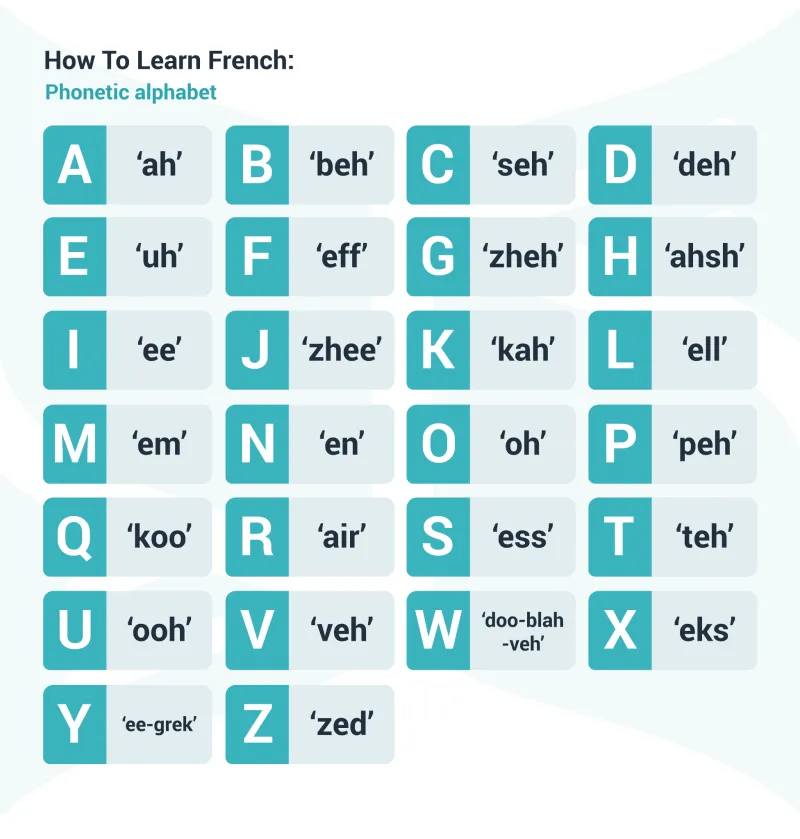
French verb tables look tidy, but je parle, tu parles, il parle and ils parlent can sound almost identical. A speak-first wheel with a phonetic ring and audio QR codes helps UK learners train their ears before they trust the spelling.

Recommended

casinos not on gamstop